What Are Swollen Gums with Braces?
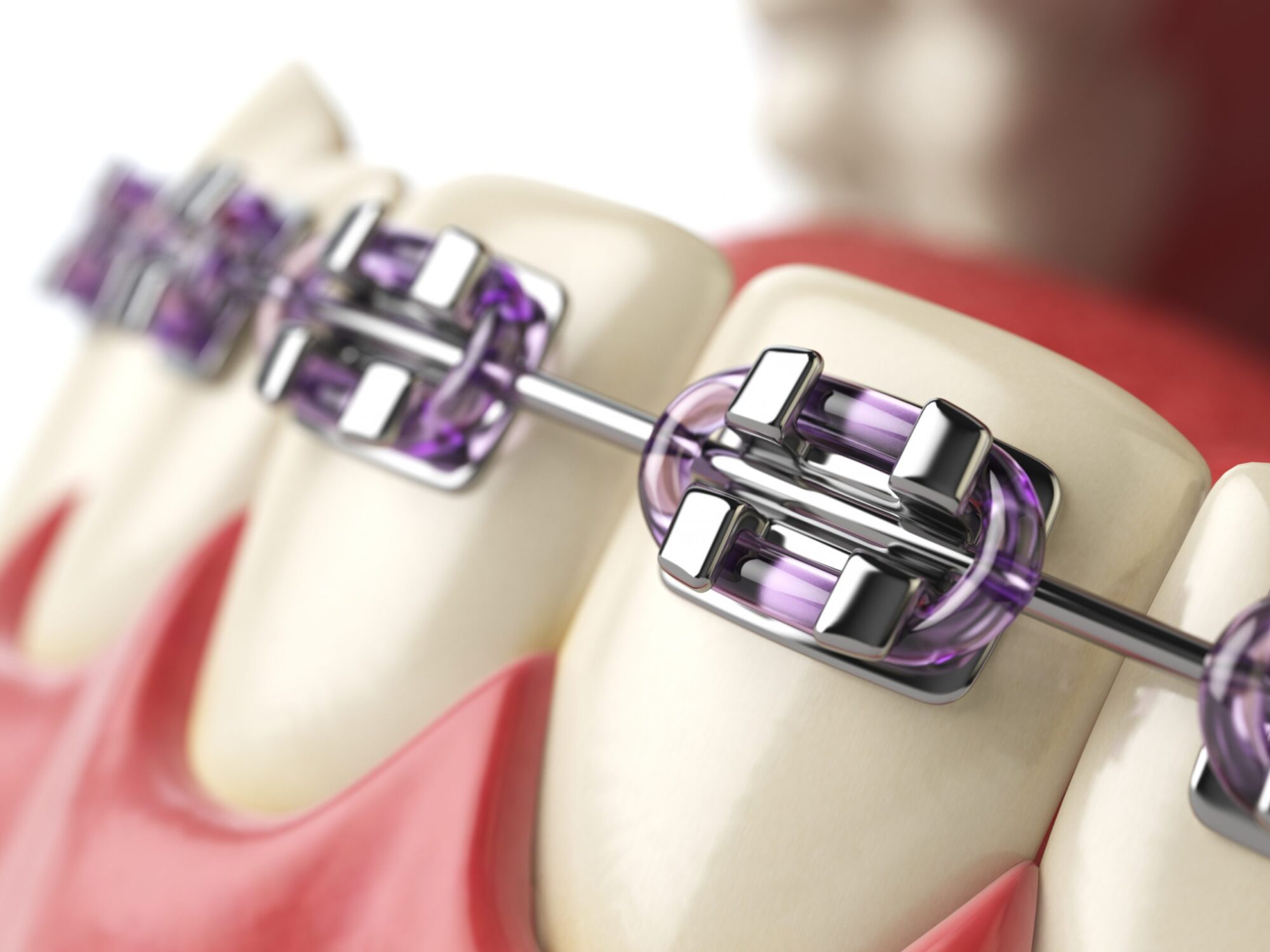
If you’re dealing with braces and swollen gums, you’re not alone. Swollen gums during orthodontic treatment are inflamed, puffy, or tender gum tissue that develops around brackets and wires. This common condition affects many braces patients, particularly during the first few months of treatment. The swelling typically results from plaque buildup, physical irritation from appliances, or the natural inflammatory response as teeth begin moving. While usually mild, persistent gum swelling can signal early gingivitis and deserves attention.
Most patients notice some gum tenderness when they first get braces. Your gums are adjusting to new hardware in your mouth, and that takes time. The good news? With proper care and attention, swollen gums don’t have to derail your treatment or slow your progress toward a new smile.
At Johnson Orthodontics, Dr. Nathan Johnson helps patients in Huntsville and Hampton Cove understand how to care for their teeth and gums during treatment. You can also learn more about our treatment options on the Braces Huntsville, Hampton Cove Braces, Metal Braces, and Clear Braces pages.

Why Braces Cause Swollen Gums
Braces create the right conditions for gum irritation because they introduce new surfaces, pressure points, and cleaning challenges into your mouth. When plaque accumulates around brackets and wires, your gums respond with inflammation. Tooth movement can also stress surrounding tissue. Together, these factors explain why mild gum swelling is so common during the first months of treatment.
Here’s what’s actually happening in your mouth.
Brackets and wires add surfaces where food particles and plaque love to hide. Even with diligent brushing, these hard-to-reach spots can trap bacteria. When plaque sits against your gumline, your body responds with inflammation. That’s the puffiness and redness you’re seeing.
A mechanical component plays a role too. As your teeth shift position, the surrounding gum tissue experiences pressure and stress. This can trigger an inflammatory response, which is your body’s natural way of protecting and healing tissue under stress. It’s temporary but can feel uncomfortable.
Keeping things clean around braces takes more effort than brushing without them. Traditional flossing becomes tricky. Many patients accidentally skip spots or rush through their routine. Over time, incomplete plaque removal leads to bacterial buildup and gum irritation.
In some cases, chronic irritation can contribute to gingival overgrowth, which is when gum tissue becomes enlarged around brackets. This makes cleaning even harder, creating a frustrating cycle.
Maintaining excellent oral hygiene during braces is essential for preventing gingivitis and keeping treatment on track. If you are new to orthodontic treatment, our Our Treatments and Orthodontics for All Ages pages can help you better understand the full treatment process.
Benefits of Addressing Swollen Gums Early
Taking action at the first sign of gum swelling protects more than your comfort. Early intervention offers real advantages worth understanding.
Why Does Early Intervention Prevent Periodontal Disease?
Gingivitis is reversible. Periodontitis is not. Catching inflammation early keeps your gums healthier long-term and helps avoid the lasting tissue and bone changes that can come with advanced gum disease. A short course of better cleaning habits can often reverse mild gingivitis before it becomes something more serious.
How Does Healthy Gum Tissue Keep Treatment on Schedule?
Severe gum problems can force orthodontists to pause treatment, and nobody wants braces on longer than necessary. When gums stay healthy, teeth move predictably and visits stay routine. Tender, bleeding gums also make eating and brushing uncomfortable, so calmer tissue means a more pleasant experience throughout treatment.
Will Better Gum Health Protect Your Final Smile?
Yes. Gum recession or tissue damage during treatment can affect how your final results look and feel after the braces come off. Orthodontists monitor gum health at adjustment visits for this exact reason, because protecting the gumline today protects the smile you’ll see in the mirror later.
If you are concerned about your gums during treatment, schedule a visit through our Free Consult page or contact the team through our Contact Us page.
What’s Normal vs. When Should You Worry About Swollen Gums?
Not all gum sensitivity means something’s wrong. Here’s how to tell the difference:
| Normal Response | Warning Signs | Seek Help Immediately |
|---|---|---|
| Mild tenderness after adjustments | Persistent redness lasting over a week | Pus or discharge from gums |
| Slight puffiness for 2-3 days | Bleeding when brushing or flossing | Gum recession exposing tooth roots |
| Minor sensitivity to hot or cold | Soreness that doesn’t improve with home care | Loose teeth |
| Temporary soreness when chewing | Swelling that keeps getting worse | Extreme swelling affecting eating |
When to try home care: Saltwater rinses work well for mild irritation. Mix half a teaspoon of salt in warm water and swish gently. Do this 2-3 times daily. An over-the-counter alcohol-free mouthwash may also help reduce bacteria and freshen your mouth, but it should not replace brushing and flossing.
When to call your orthodontist: If symptoms persist beyond a week, if you notice bleeding every time you brush, or if the swelling seems to be spreading, reach out. These signs suggest you may need professional care.
Gingivitis caught early can often be reversed with improved hygiene and possibly a professional cleaning. Periodontitis requires more intensive treatment and can have lasting effects on your oral health.
How Much Does It Cost to Manage Swollen Gums with Braces?
Here’s the encouraging news: preventing swollen gums costs almost nothing, and a little daily effort goes a long way.
Proper brushing and flossing technique is free. You’re already brushing twice daily, right? The trick is doing it thoroughly around every bracket and under every wire. That alone prevents many gum issues before they start.
Helpful tools that make a real difference:
- Interdental brushes that fit between brackets
- Water flossers that make cleaning around braces easier
- Orthodontic-specific toothbrushes with angled bristles
- Floss threaders to guide floss under wires
These tools are a practical investment in your gum health during treatment. They can make daily cleaning easier and help you remove plaque from the areas where braces tend to trap food.
Professional cleanings become especially important during braces. Your dentist or orthodontic team may recommend a cleaning schedule based on your gum health, plaque levels, and home-care routine.
The bigger cost comes from ignoring gum problems. Untreated inflammation can extend your overall treatment time. Severe cases may require a periodontal evaluation and added care, which adds both time and cost to your orthodontic experience.
You can also review treatment-related payment information on our Cost & Insurance page.

Who Is Most at Risk for Gum Swelling with Braces?
Some patients face higher odds of developing gum inflammation. The groups most likely to experience swollen gums include teens going through hormonal changes, anyone with pre-existing gingivitis, people who struggle with daily hygiene, those with crowded teeth, and mouth breathers. Knowing where you fall helps you take preventive action early.
Pre-existing gingivitis: If you had gum issues before starting treatment, you’re more susceptible to flare-ups during braces. A thorough gum health check before brackets go on helps catch issues early.
Teenagers experiencing hormonal changes: Puberty increases gum sensitivity. Hormonal fluctuations can make gum tissue more reactive to plaque and bacteria.
Patients who struggle with oral hygiene routines: Braces make cleaning harder. If you already found brushing and flossing challenging, braces add another layer of difficulty.
Those with crowded teeth: Crowding creates more nooks and crannies where plaque hides. Even as braces correct the crowding, those tight spaces remain challenging to clean.
Mouth breathers and dry mouth sufferers: Saliva naturally helps wash away bacteria. When your mouth stays dry, bacteria multiply faster, increasing inflammation risk.
If you fall into any of these categories, don’t worry. Extra attention to your home care routine and more frequent check-ins with your orthodontic team can keep your gums healthy throughout treatment. The team at Johnson Orthodontics often reminds Hampton Cove and Huntsville families that small daily habits make the biggest difference here.
Frequently Asked Questions About Braces and Swollen Gums
How long do swollen gums last with braces?
Mild swelling after getting braces or following adjustments often resolves within 3-5 days. If swelling persists beyond a week or keeps returning, that’s a sign your oral hygiene routine may need adjustment. Chronic swelling that doesn’t improve with better brushing and flossing warrants a call to your orthodontist.
Will my gums go back to normal after braces are removed?
Yes, in many cases. Once braces come off and you can brush and floss normally again, gum inflammation often improves within a few weeks. However, if gingivitis progresses to periodontitis during treatment, some effects can be permanent. That’s why addressing swelling early matters so much.
Can I use mouthwash to reduce swelling?
An alcohol-free mouthwash may help reduce bacteria and soothe irritated gums. Prescription rinses, such as chlorhexidine, should only be used when recommended by a dental professional. Mouthwash should support thorough brushing and flossing, not replace them.
Should I stop wearing rubber bands if my gums are swollen?
Don’t stop wearing elastics without talking to your orthodontist first. Rubber bands are essential for correcting your bite, and stopping can delay treatment. If elastics are irritating your gums, Dr. Johnson or another orthodontic team member may be able to adjust their placement or recommend a different approach.
Is bleeding while flossing with braces normal?
Some bleeding when you first start flossing with braces is common, especially if you weren’t flossing regularly before. Bleeding should decrease as your gums get healthier. If bleeding continues after two weeks of consistent flossing, or if it’s heavy, contact your orthodontist.
When should I call my orthodontist about gum issues?
Reach out if you notice swelling that doesn’t improve after a week of better hygiene, bleeding every time you brush, soreness that interferes with eating, visible pus or discharge, or gum tissue growing over your brackets. The team at Johnson Orthodontics is here to help families across Hampton Cove, Huntsville, and beyond, so don’t wait until a small issue becomes a bigger one.

Swollen gums don’t have to be part of your braces experience. With the right care and attention, you can keep your gums healthy while working toward the smile you want. If you’re experiencing persistent gum issues or have questions about your treatment, Dr. Johnson and his team at Johnson Orthodontics welcome Hampton Cove and Huntsville families to learn more about gum-friendly orthodontic care and keep treatment on track.
To continue learning, visit our Braces, Braces Huntsville, Braces Huntsville AL, Hampton Cove Braces, Metal Braces, Clear Braces, Our Treatments, Free Consult, and Virtual Consult pages.